
My Petrol Lawnmowers pull cord will not pull out of the starter assembly
Modified on Wed, 1 Jul at 11:03 AM
If the pull cord on your petrol lawnmower is stuck or will not pull out of the recoil starter, it is usually caused by engine compression, a mechanical obstruction, an engine brake issue or a fault within the recoil starter assembly.
This guide explains the most common causes and the steps you can take to free the pull cord and identify the source of the problem.
Quick Answer
If your petrol lawnmower pull cord will not pull out, the most common causes are:
- The engine has stopped on the compression stroke.
- The engine oil level is too high or too low.
- Grass or debris is preventing the blade from turning.
- The engine brake cable is not fully disengaging.
- The self-propel drive belt has slipped or become damaged.
- The recoil starter assembly has failed.
Start by removing the spark plug and checking whether the engine can be turned over by hand.
Before You Begin
Before carrying out any inspection or maintenance:
- Switch off the engine and allow it to cool completely.
- Remove the spark plug cap to prevent accidental starting.
- Wear suitable personal protective equipment (PPE), including gloves and eye protection.
- Work on a clean, level surface.
- If inspecting underneath the mower, ensure the spark plug cap remains disconnected.
Tools you may need:
- Spark plug spanner or socket
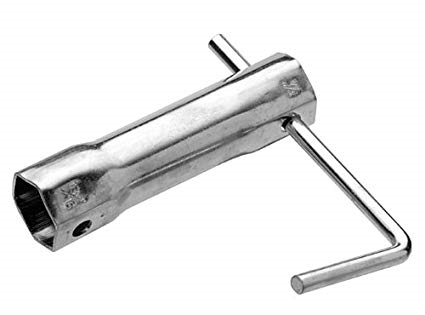
- Protective gloves
- Clean cloth
Steps
Step 1 – Release Engine Compression
Sometimes the engine stops on the compression stroke, making the pull cord difficult or impossible to pull.
- Remove the spark plug cap.
- Remove the spark plug using a suitable spark plug spanner.
- Hold the engine brake lever against the handle.
- Wearing protective gloves, carefully rotate the blade by hand four or five complete turns.
- Refit the spark plug by hand before tightening with the spark plug spanner.
- Reconnect the spark plug cap.
Test the pull cord again. It should now pull more freely.
Step 2 – Check the Engine Oil Level
An incorrect oil level can affect engine movement.
Check the oil level using the dipstick.
If the oil level is low:
- Top up with the recommended engine oil, usually SAE 30 or the oil specified in your owner's manual.
- Ensure the oil level is between the minimum and maximum marks.
If the engine oil has been overfilled:
- Remove the spark plug.
- Pull the starter cord several times to help expel excess oil from the cylinder.
- Clean or replace the spark plug if necessary.
- Refit the spark plug and reconnect the spark plug cap.
Step 3 – Check for Obstructions Under the Mower
Grass, twigs and other debris can prevent the blade from rotating, which also prevents the engine from turning.
Inspect the underside of the mower for:
- Thick grass build-up
- Twigs or branches
- Stones or other debris lodged around the blade
Remove any obstructions before attempting to start the mower.
Always ensure the spark plug cap has been removed before working underneath the mower.
Step 4 – Check the Engine Brake Cable
If the engine brake cable is too loose or incorrectly adjusted, the brake may remain partially engaged.
This can make the pull cord difficult to operate.
Inspect the cable for:
- Excessive slack
- Damage
- Incorrect adjustment
Adjust the cable according to your mower's user manual if required.
Step 5 – Inspect the Self-Propel Drive Belt
On self-propelled models, a damaged or displaced drive belt may create additional resistance.
Check that the drive belt:
- Is correctly seated on the pulleys.
- Is not damaged or excessively worn.
- Has not slipped from the drive system.
Refit or replace the drive belt if necessary.
Step 6 – Inspect the Recoil Starter
If the engine turns freely but the pull cord is still stuck, the recoil starter assembly may be faulty.
Possible faults include:
- A broken recoil spring.
- A jammed starter pulley.
- A damaged starter rope.
- Worn or broken starter pawls.
The recoil starter assembly may require repair or replacement.
Frequently Asked Questions
Why won't my lawnmower pull cord pull out?
The pull cord may be stuck because the engine has stopped on the compression stroke, the blade is obstructed, the engine brake is engaged or the recoil starter assembly has failed.
Can too much oil stop the pull cord from moving?
Yes. Overfilling the engine or tipping the mower can allow oil to enter the cylinder, creating hydraulic lock that prevents the engine from turning.
Why should I remove the spark plug first?
Removing the spark plug eliminates engine compression, making it much easier to determine whether the engine or the recoil starter is causing the problem.
Can grass underneath the mower stop the pull cord?
Yes. Thick grass, sticks or other debris wrapped around the blade can prevent the engine from rotating, making the pull cord difficult or impossible to pull.
What if the pull cord is still stuck after completing these checks?
If the engine turns freely with the spark plug removed but the pull cord remains stuck, the recoil starter assembly is likely to be damaged and may need to be repaired or replaced.
Was this article helpful?
That’s Great!
Thank you for your feedback
Sorry! We couldn't be helpful
Thank you for your feedback
Feedback sent
We appreciate your effort and will try to fix the article