
Chainsaw
Chainsaw
Electrical Chainsaw Garden Product

How do I start my Electric Chainsaw
Quick Answer
To start your electric chainsaw, ensure the chain brake is disengaged, hold the saw firmly with both hands, press the safety lock button, then pull the On/Off trigger. Release the trigger to stop the chainsaw.
Important: Always ensure the chain is properly tensioned and lubricated before use.
Before You Start
Before operating the chainsaw:
- Check the chain oil level (use biodegradable chain oil only)
- Ensure the chain is correctly tensioned
- Confirm the work area is clear of hazards and bystanders
- Ensure the mains cable is securely connected and supported
- Check the hand guard is in the operating position
Important: Never use the chainsaw without chain oil.
How to Start the Electric Chainsaw
Follow these steps carefully:
1. Disengage the chain brake
Pull the chain brake lever backwards towards the front handle until it clicks into the operating position.
2. Grip the chainsaw correctly
Hold the chainsaw firmly with both hands:
- Left hand on the front handle
- Right hand on the rear handle
- Ensure full grip with fingers and thumbs wrapped securely
3. Unlock and start
- Press and hold the safety lock button with your right thumb
- While holding it, pull the On/Off trigger switch
The chainsaw will start immediately at operating speed.
How to Stop the Chainsaw
To stop the chainsaw:
- Release the On/Off trigger switch
The chain will stop immediately.
Important Information
- Always allow the chain to reach full speed before cutting
- Never start cutting while the chain is stationary
- Do not operate with a loose chain
- Keep hands and body clear of the cutting area at all times
- The safety lock only needs to be used during startup
Important: Incorrect use may increase the risk of kickback or injury.
Frequently Asked Questions
Why won’t my chainsaw start?
Check the chain brake, mains connection, safety lock button, and trigger operation.
Do I need chain oil?
Yes. Always use biodegradable chain oil and check the level before each use.
Can I use the chainsaw without tensioning the chain?
No. A loose chain can come off during operation and is extremely dangerous.
When should I start cutting?
Only when the chain is running at full operating speed.
How do I move the chain on my Electric Chainsaw
Quick Answer
If the chain on your electric chainsaw is not moving, the most common cause is an engaged chain brake, incorrect chain tension, or damage to the chain or guide bar. In most cases, checking these areas will restore normal movement.
Important: Always switch off and unplug the chainsaw before inspecting the chain.
Before You Start
Before carrying out any checks:
- Switch the chainsaw off
- Disconnect it from the mains power supply
- Ensure the chain has fully stopped
- Wear suitable protective gloves
Important: Never attempt to adjust the chain while the machine is connected to power.
Possible Causes and Basic Checks
1. Chain brake engaged
Check that the chain brake is fully disengaged.
- If the brake is engaged, the chain will not rotate
- Pull the chain brake lever back towards the front handle to release it
Once released, the chain should be free to move.
2. Chain and guide bar condition
Inspect the chain and bar for:
- Visible damage
- Bent or broken links
- Debris lodged in the guide bar
If damage is found, the chain or bar must be replaced before further use.
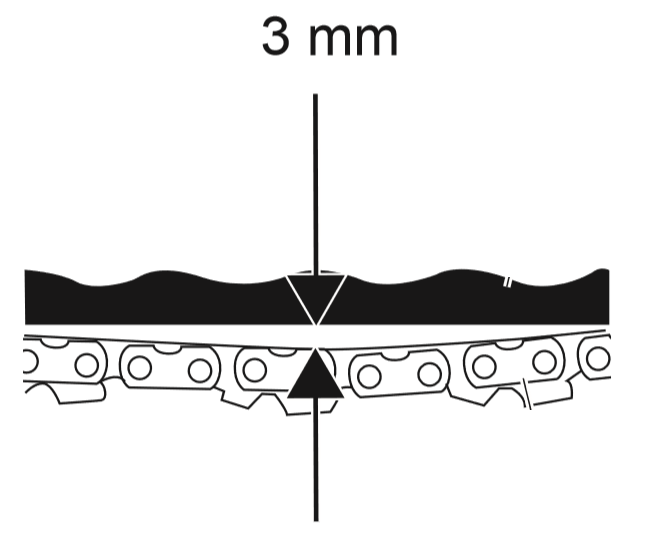
3. Chain tension
Check that the chain is correctly tensioned.
- The chain should lift slightly from the bar
- Drive links should remain seated in the guide bar groove
- The chain should move smoothly around the bar when handled with gloves
Incorrect tension can prevent proper movement.
If the Issue Persists
If the chain still does not move after completing all checks:
- Stop using the chainsaw
- Contact our Technical Support Team
- Provide your model number and a description of the issue
Further inspection or replacement parts may be required.
Important Information
- Always ensure the chain brake is disengaged before use
- Keep the chain properly tensioned at all times
- Never operate the chainsaw with a damaged chain or bar
- Always wear gloves when handling the chain
Frequently Asked Questions
Why is my chainsaw chain not moving?
It is usually caused by the chain brake being engaged, incorrect tension, or damage to the chain or guide bar.
Can I force the chain to move?
No. Forcing the chain may cause damage or injury. Always check the brake and tension first.
How should the chain feel when moved by hand?
It should move smoothly around the bar with slight resistance, but should not be overly tight or completely loose.
What should I do if the chain still will not move?
If all checks fail to resolve the issue, contact Technical Support for further assistance.
My Electric Chainsaw will no longer oil the chain
Quick Answer
If your electric chainsaw is not lubricating the chain, it is usually due to low oil level, an air blockage in the oil system, or an issue with oil delivery. In most cases, checking the oil reservoir and testing oil flow resolves the issue.
Important: Always switch off and unplug the chainsaw before inspection.
Before You Start
Before carrying out any checks:
- Switch the chainsaw off
- Disconnect it from the mains power supply
- Ensure the chain has fully stopped
- Place the tool on a stable surface
Important: Never operate the chainsaw without chain oil.
Possible Causes and Basic Checks
1. Chain oil level
Check the oil reservoir:
- Ensure it is filled with the correct chain lubricating oil
- Refill if the level is low or empty
Low oil is the most common cause of poor lubrication.
2. Check for oil leaks
Inspect the chainsaw body for:
- Visible oil leakage around the reservoir or housing
- Oil pooling under the tool after storage
If leaks are found, do not continue using the product and contact Technical Support.
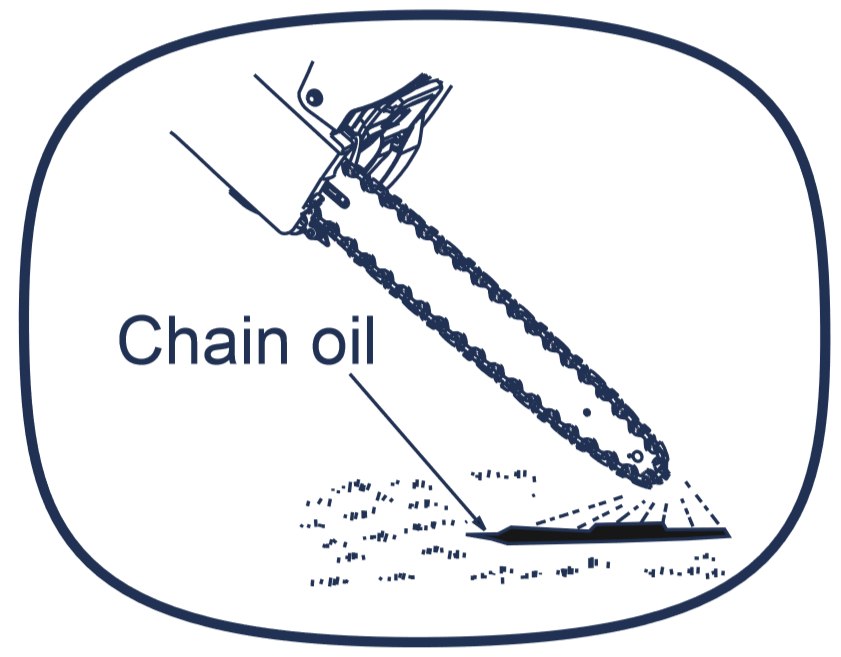
3. Test oil delivery
You can check whether oil is being delivered correctly:
- Hold the chainsaw at approximately a 45-degree angle
- Run the chainsaw briefly
- Look for oil being ejected onto a surface or faint oil marks
If oil is visible, the lubrication system is working.
Important Information
- Always use the correct chain oil type
- Never run the chainsaw without lubrication
- Regularly check oil levels during use
- Do not ignore signs of oil leakage
Frequently Asked Questions
Why is my chainsaw chain not getting oil?
It is usually due to low oil level, air blockage in the system, or a delivery fault.
How often should I check chain oil?
Check before each use and regularly during operation.
Can I use any oil for the chain?
No. Only use proper chain lubricating oil recommended for chainsaws.
What happens if I use the chainsaw without oil?
It can cause severe damage to the chain, bar, and motor.
My Electric Chainsaw will not engage/disengage the chain brake
Quick Answer
If the chain brake on your electric chainsaw will not engage or disengage, it is usually due to incorrect hand guard positioning, user pressure on the controls, or stiffness in the brake mechanism. In most cases, correctly resetting the hand guard resolves the issue.
Important: Always switch off and unplug the chainsaw before checking or adjusting the chain brake.
Before You Start
Before carrying out any checks:
- Switch the chainsaw off
- Disconnect it from the mains power supply
- Ensure the chain has fully stopped
- Keep hands clear of the trigger and stop controls
Important: Do not operate the chain brake while pressing the On/Off trigger.
How the Chain Brake Works
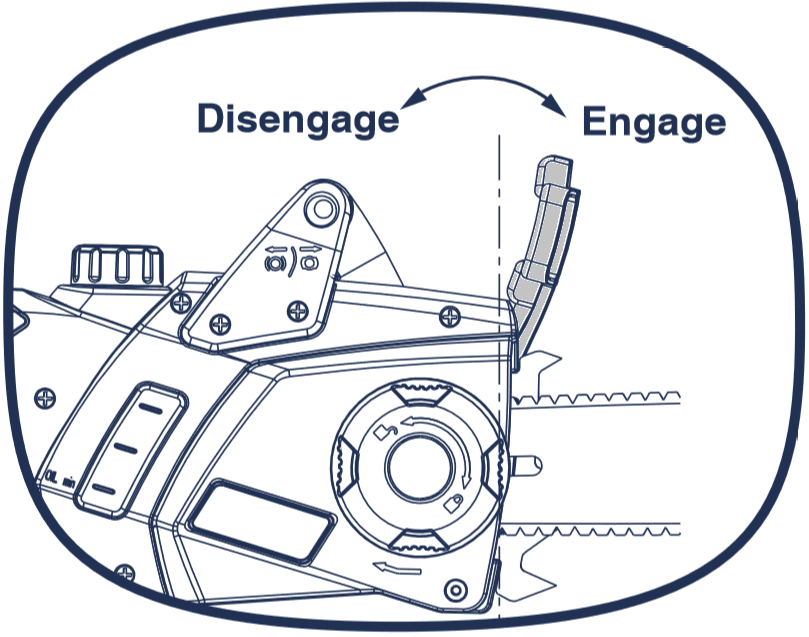
The chain brake is controlled by the front hand guard:
- Pushing the hand guard forward engages the brake
- Pulling the hand guard back disengages the brake
The brake must be in the correct position before use.
Possible Causes and Basic Checks
1. Incorrect hand guard position
Check the hand guard alignment:
- Push forward to engage the brake
- Pull back towards the front handle to disengage
Ensure it clicks securely into position.
2. Stiff or restricted movement
If the brake feels stiff:
- Confirm the chainsaw is fully switched off
- Ensure no pressure is being applied to the trigger or stop button
- Move the hand guard firmly but smoothly between positions
Do not force the mechanism excessively.
3. Obstruction or debris
Check around the hand guard area for:
- Sawdust build-up
- Dirt or debris restricting movement
Clean the area carefully before retrying.
Important Information
- Always ensure the chain brake is correctly positioned before use
- Never operate the chainsaw with a faulty brake
- Do not force the hand guard excessively
- Keep controls free from debris and build-up
Frequently Asked Questions
Why is my chain brake stuck?
It may be due to debris, stiffness in the mechanism, or incorrect hand guard positioning.
Can I use the chainsaw if the chain brake is not working?
No. The chainsaw should not be used until the brake is functioning correctly.
Do I need to press the trigger when moving the chain brake?
No. Never apply pressure to the trigger or stop button while operating the brake.
What should I do if the brake still won’t move?
Contact Technical Support for further assistance or inspection.
How do I get the chain to tension correctly on my Electric Chainsaw
This article explains how to correctly adjust the chain tension on your electric chainsaw.
⚠️ Safety Notice
An incorrectly tensioned chain may break, derail, or come off the guide bar, which can cause serious injury.
Ensure the chainsaw is switched off and disconnected from the power supply before carrying out any adjustments.
Test the chain tension before each use and check it regularly during operation.
Procedure
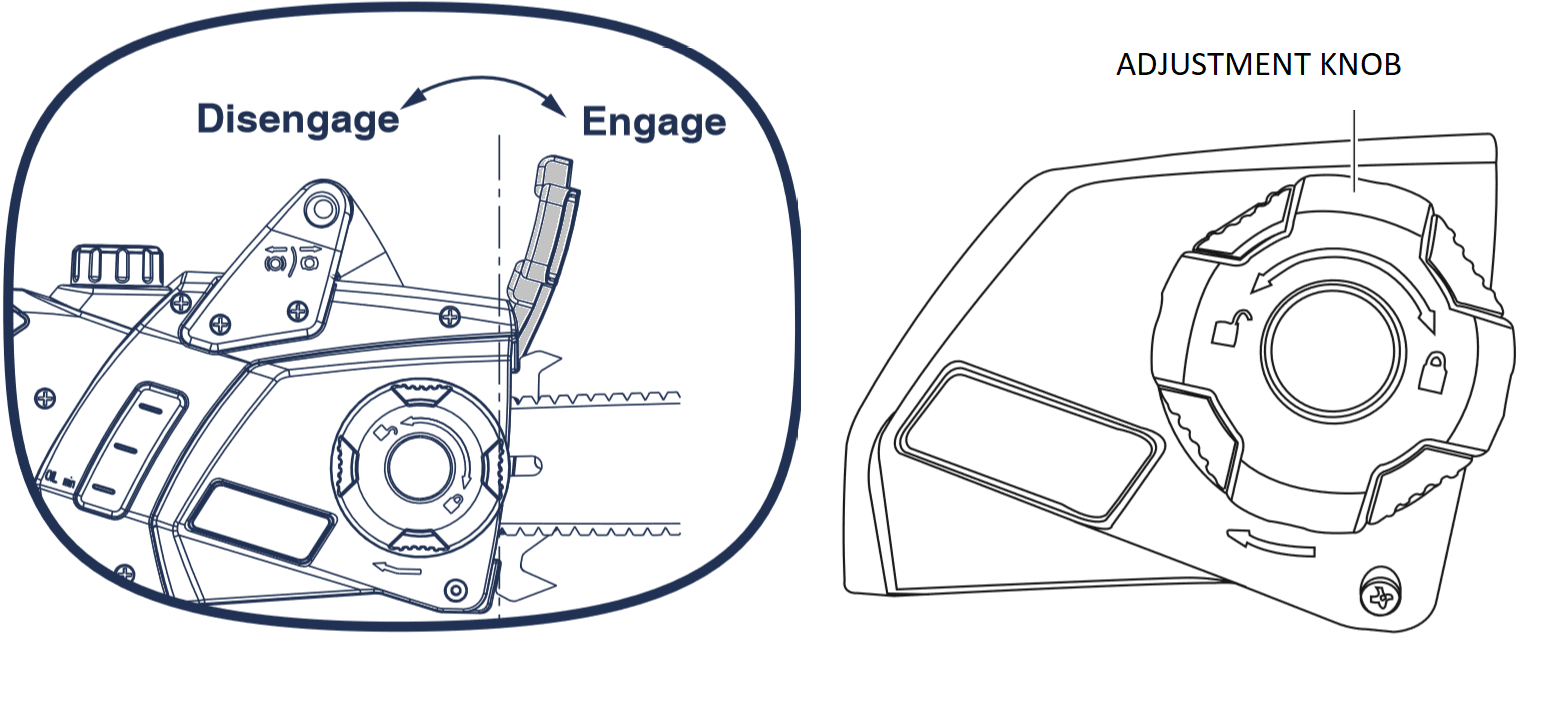
- Disengage the chain brake.
- Turn the adjustment knob anti-clockwise to loosen the chain.
- Turn the adjustment knob clockwise to tighten the chain.
- Adjust until the chain is correctly tensioned.
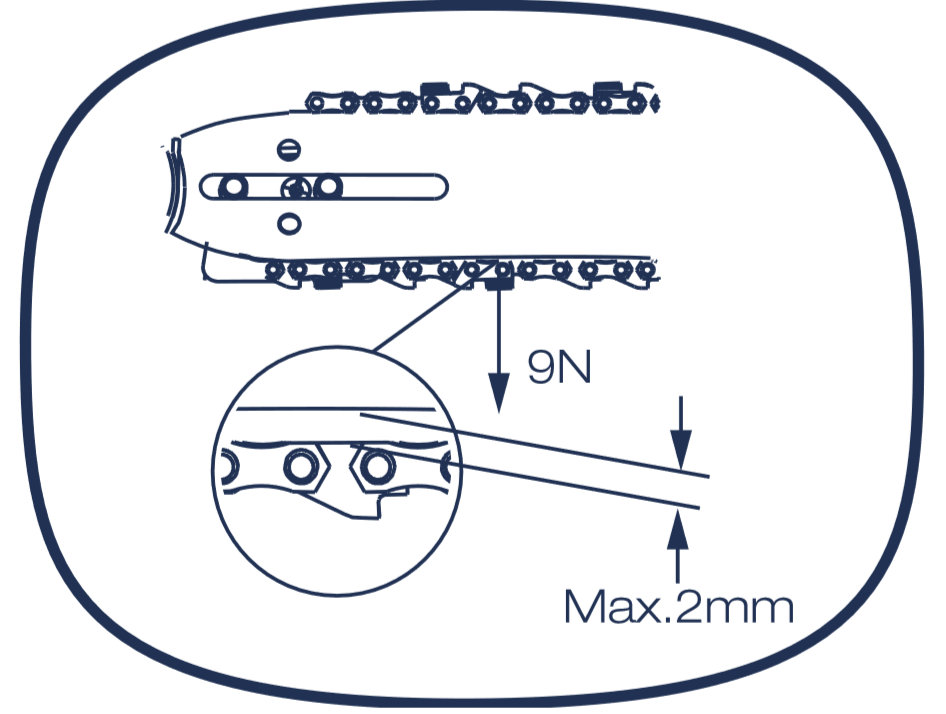
- When lifting a single chain link, there should be a gap of approximately 2–3 mm between the chain and the guide bar.
Tips
- Adjust chain tension regularly during the run-in period.
- Re-tighten immediately if the chain becomes loose, wobbles, or comes out of the guide groove.
- Chain tension affects the lifespan of both the chain and guide bar, so it should be checked frequently.
- Chain tension may change as the chain heats up during use and may require readjustment.
- New chains typically require more frequent adjustments until fully run in.
If the Issue Persists
If you are still unable to tension the chain correctly, please contact our Technical Support Team for further assistance.
✔️ Summary
- Disengage chain brake before adjusting
- Use adjustment knob to tighten or loosen chain
- Maintain 2–3 mm lift from bar
- Check tension regularly during use